How to Boost Trucking Profitabilitly in Q1: A Trucker’s Guide to Navigating the Slow Season
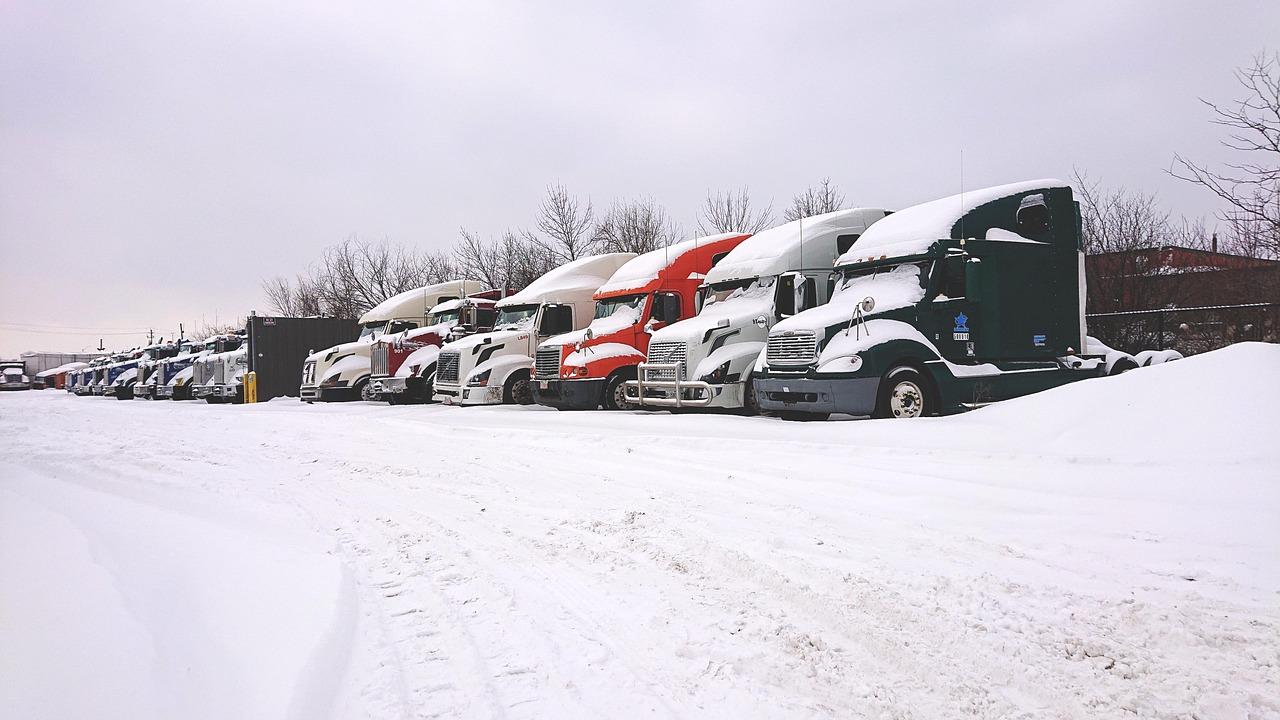
After the busy holiday period, seasoned truckers know to expect a first-quarter (Q1) slump. Small fleets and owner-operators are especially hard hit when retail businesses start to cut back on their shipping needs. While a little downtime might be nice after the holidays, the reality is you still have to meet operating and living expenses.
In this guide, we provide strategic information to help your freight operation survive and even thrive during the trucking slow season. We explain how to boost your Q1 trucking profitability by focusing on cost-per-mile calculations, stable freight niches, operational efficiency, and cash flow management.
The Reality of the Q1 Market
The “Lull” or post-holiday slump occurs during the first quarter of the year, namely January, February, and March. These are the months when consumer demand plummets. During this time, retail businesses focus more on reducing their existing inventory rather than restocking. For truckers, this can mean less business and lower income during the coldest winter months.
When you look at the market from a big-picture standpoint, it becomes easier to manage diminished Q1 demand. Many small trucking companies and owner-operators earn the bulk of their income in Q4. Drivers who understand these larger fluctuations can plan for the slow season and even boost Q1 income while others exit the market.
Defensive Strategy: Mastering the “Cost Per Mile”
One of the best ways to protect your trucking business during the Q1 lull is to master your profit/loss calculations. Identify opportunities to keep costs low and monitor the variable and fixed expenses that can impact your bottom line.
The Math of Survival
Trucking cost-per-mile (CPM) calculations can be complex, but understanding your exact CPM makes all the difference between a profitable quarter and a loss. Calculate your CPM using the following formula:
Total Expenses / Total Miles = CPM
Your total expenses are the sum of your fixed costs (truck payments, insurance premiums, salary, licensing and permit costs) and variable costs (fuel, cleaning, maintenance, driver hourly pay, repairs, tolls, and tire replacement) for a specific period of time.
Your total miles should include both unpaid and paid miles for the same period. It’s important to include your unpaid, or deadhead, miles to accurately assess your profitability. Make sure you include any labor costs in your expense calculation, including hourly pay, salaries, and benefits.
Fuel Discipline
Once you identify the variable costs, do some fleet and owner-operator cost-cutting to reduce overhead and improve your profit margin. Fuel is at the top of the list, because it is both critical for your operations and expensive. Enforce a disciplined approach to fuel usage during the slow season.
Dropping the speed to the “sweet spot” between 60–62 miles per hour can help reduce your fuel usage and protect your bottom line. This means changing your mindset from maximum delivery speed to a fuel conservation focus. Adjust your delivery schedule to accommodate slightly lower speeds, so you can save on fuel costs during the slow period.
Anti-Idling
A lot of fuel wastage happens when drivers idle during loading, unloading, and rest stops. Discourage drivers from idling by investing in an auxiliary power unit (APU) or bunk heater.
Auxiliary Power Units
An APU can be used in both day cabs and sleeper berths to power heaters, in-cab appliances, and other devices. While an APU can cost anywhere from $8,500 to $12,500, according to Penske, it can save up to 40 hours per week in sleeper berth idling. By saving approximately 1 to 1.2 gallons per idling hour, the return on investment in fuel savings recoups the cost of an APU in about 2.5 years.
Bunk Heaters
Bunk heaters are among the most cost-effective ways to heat your truck. They often provide a full return on investment within a season or two, depending on your business.
A premium bunk heater can cost between $700 and $2,000, including installation. Some budget and knockoff brands cost less than $200 with DIY installation, but exhibit lower product quality and safety than name brand units like Espar and Webasto. The return on investment for bunk heaters is high enough that you benefit from paying for the better quality option.
Most bunker heaters save drivers over a gallon of fuel per hour. For example, Espar bunk heaters use between 0.03 and 0.26 gallons of diesel fuel per hour, much less than the 1 to 1.2 gallons per hour used by idling engines. With gas at $3.50 per gallon and drivers idling for 10 hours per day, each operator can save about $1,000 per month on fuel consumption alone.
In addition to direct fuel savings, bunk heaters and APUs save you money on repairs and maintenance, as cold weather idling is hard on truck engines. They also keep you in compliance with increasingly strict state and local idling laws.
Offensive Strategy: Hunting for Stable Freight
Keeping your costs low is a great first step toward stabilizing your Q1 income, but you also benefit from a proactive approach. While many trucking operations take downtime during the slow season, you can take advantage of stable niches and hot markets to improve your fleet’s stability year-round.
Identify Stable Niches
Some segments of the trucking market remain consistent during the winter, even after the holiday rush. Look into high-paying Q1 freight niches, such as:
Reefer Shipping: Reefer (refrigerated) shipping uses specialized cargo containers with insulation and temperature control to transport environmentally-sensitive cargo. You may need additional equipment or permitting to drive reefer trailers.
Reefer cargo may include produce, diary products, meat, seafood, and pharmaceuticals that require environmental control for temperature, moisture, and oxygen levels.
Hazmat Transport: Hazardous materials (Hazmat) freight demand is increasing, but qualified drivers can be hard to find. You will likely need to obtain specialized permits and CDL endorsements to move hazmat freight, but a tight market means you can usually expect steadier work and higher pay during the Q1 slump.
Specialized/ Oversized Loads: Construction and infrastructure projects continue across the country throughout the first quarter. Many trucking companies haul heavy or oversized loads for construction, energy, manufacturing, agriculture, and aerospace companies in every season.
Diversify your freight options to encompass regional and long-haul opportunities for oversized, heavy-haul, fragile, or otherwise specialized transport needs. Since most oversized and specialized hauling requires additional CDL endorsements, permitting, and equipment, be sure to review federal, state, and local requirements for the industry before you proceed.
Negotiation in a Down Market
A persistent driver shortage and aging workforce have created gaps in certain trucking markets, especially hazmat, oversized, and specialty hauling. Follow these load board negotiation tips to get the best rates for your cargo hauling services:
-
Use tools like DAT Hot Market Maps to identify hot zones.
-
Watch for load-to-truck ratios that signify a need you can fill.
-
Keep an eye on freight market outlooks and trends.
-
Get certifications, permits, and endorsements in high demand areas.
-
Seek areas of high demand and low availability to leverage better rates.
Operational Efficiency and Winterization
Even when you’ve landed a contract, operational efficiency and seasonal prep are crucial for protecting your profits during the cold months of Q1.
Eliminating Deadhead
Unpaid hours, also called deadhead, are a constant year-round concern for truckers. When the line between profit and loss is tight, it’s more important than ever to avoid driving empty miles.
Trip chaining can reduce deadhead, optimize time on the road, and lower your operation’s overall fuel consumption. It’s an ideal method in urban freight delivery, where you can easily combine multiple deliveries into an optimized route. Many companies are turning to trucking logistics technology like Geotab to maximize efficiency. These services use AI and data analytics to optimize routes and delivery schedules.
Preventative Maintenance
A slow Q1 period can be the best time to get your truck or fleet in for repairs and regular maintenance. Pay special attention to the following:
-
Testing coolant/ antifreeze mixture and levels
-
Checking diesel exhaust fluid (DEF)
-
Adding anti-gel diesel compounds
-
Battery capacity testing and terminal cleaning
-
Alternator and starter
-
Assessing tire pressure and tread depth
-
Replacing air dryer cartridges and checking brake lines
-
Inspecting snow chains
-
Replacing windshield wipers and refilling wiper fluid
-
Confirming heater and defroster function
-
Checking all lights on the cab and trailer
-
Lubricating suspension and steering components
Preventive maintenance is a necessity for catching problems before they become expensive repairs. Fixing a minor leak in January can prevent an expensive and dangerous roadside emergency in a February blizzard.
Winter Fuel Management
If you’re operating in the north during Q1, you’re driving in some of the coldest weather of the year. Follow these winter fuel efficiency tips to keep your operation profitable when temperatures drop.
-
Use winterized diesel when possible, as it is formulated with a lower freezing point. Fuel in warmer regions may not be winterized, so consider an anti-gel additive when traveling between warm and cold states.
-
Winterize your fuel with anti-gel additives if you expect to drive at temperatures below 40°F. Diesel fuel can cloud and crystallize at any temperature below 32°F, so add the anti-gel before temperatures get that low. The additive will lower the cold filter plugging point (CFPP), which is the lowest temperature at which your diesel can flow smoothly through a standard filter.
-
Consider using a fuel or engine block heater to prevent your diesel from gelling on long hauls in sub-freezing weather.
-
Replace your fuel filters regularly. A dirty fuel filter will clog more easily, especially if your fuel starts to cloud.
-
Keep your fuel tank as full as possible. When your tank isn’t full, condensation can form and freeze on the fuel, causing additional blockages.
Commercial Truck Warranty Coverage
No matter how much you plan, some components are bound to see wear and breakage on the road, especially in extreme Q1 temperatures. Protect your fleet and save money on repairs by investing in heavy truck warranty coverage from America’s Trucking Warranty. Our warranty plans help you cover essential mechanical components anywhere in the USA or Canada.
Financial Management and Cash Flow
Managing your finances and cash flow can also help keep your operation afloat during the slow Q1 season. Factoring and other billing management practices address immediate cash flow concerns, and savings can provide funds when you’re waiting for work to pick up again.
Factoring
Factoring lets you recover immediate payment through an intermediary company, called the factor. Under a factoring agreement, you submit the bill of lading (BOL) to the factor after you deliver it to the customer. The factor pays you directly for the invoice, less a service fee. They then collect the full amount from the broker or shipper when the invoice comes due in 30–90 days.
Owner-operators and small fleet owners often use spot factoring for specific invoices during the Q1 slump. If you’re thinking about factoring, it’s important to review the conditions of your contract beforehand. Consider whether the fees will align with your budgetary needs, and review the collection terms to determine who will be responsible for the invoice if the customer doesn’t pay.
Recourse factoring holds the trucking company responsible for the invoice if the customer fails to pay for the delivery. In non-recourse factoring, the factor takes on the risk of non-payment.
Budgeting for the “Quiet Months”
To make ends meet during Q1, you can also set up a rainy-day fund during your peak Q3/Q4 months. When work starts to pick up at the end of the year, set aside a percentage of your income to cover Q1 expenses when income will be less reliable. Place it in an accessible high-interest savings account that will maximize your return.
Calculate the amount you’ll need for all fixed and variable costs and add a buffer to cover unexpected costs that could arise during winter operations.
Plan for Unexpected Q1 Expenses With America’s Truck Warranty
At ATW, we understand that you can’t plan for all eventualities. Our warranties are designed to bring you peace of mind, even during the most challenging Q1 season. We offer full mechanical component coverage for medium and heavy-duty vehicles. With over 50 years of experience, our warranty experts know how to match your operation with the coverage you need.
We know that time is of the essence when you have a midwinter breakdown. That’s why we work with licensed repair facilities to get the parts you need when you need them. If your repair requires a new part, ATW will pay the full retail cost, as well as diagnostic fees for covered repairs. Explore our warranty plans today to find the protection you need during the Q1 slump and throughout the year.