Local vs. OTR Trucking: Find the Best FIt for Your Career
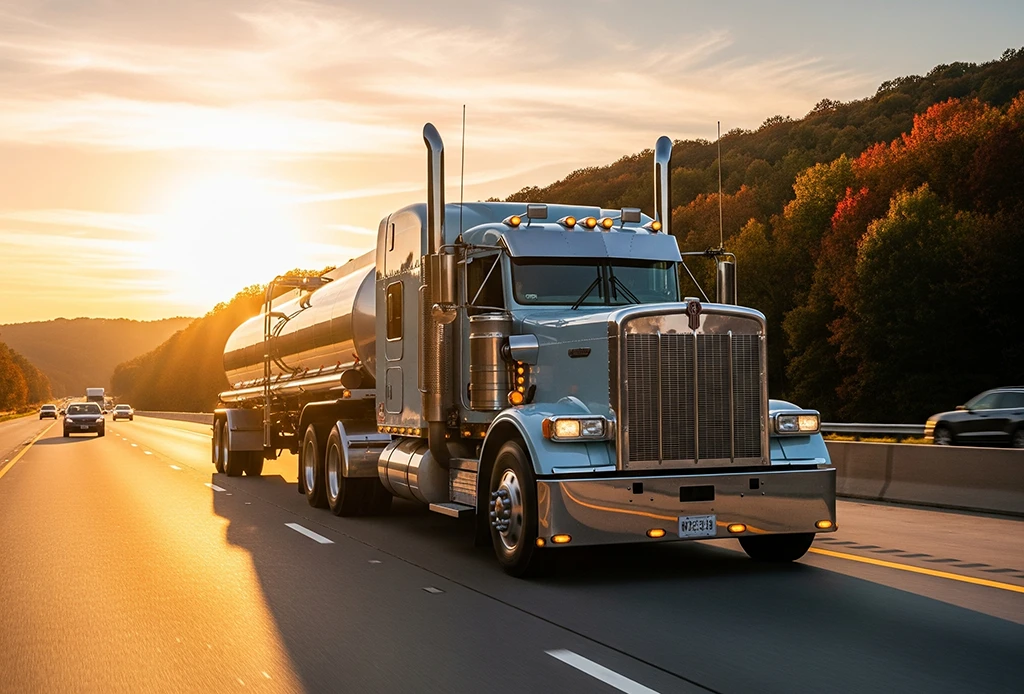
Whether you're starting your CDL training or looking to change your current occupation, you have a variety of trucking career options to choose from. Understanding the differences between local vs. OTR trucking can help you decide which path is best for your specific situation.
In this guide, we explain the key differences between over-the-road (OTR) and local trucking, including career options, responsibilities, salaries, and lifestyle. Use this information to decide which career path best suits your financial goals, lifestyle, and career aspirations.
Defining Local, OTR, and Regional Trucking
While there are many trucking jobs across various industries, they typically fall under three umbrellas: local, over-the-road (OTR), and regional.
Local Trucking
Local truck drivers haul freight within a small, localized area, typically 150–250 miles from their home base. They may be assigned routes within a specific metropolitan area, city, or municipality. Examples of local trucking jobs include:
- Delivering products and goods to local retailers
- Supplying produce and other supplies to restaurants and food service facilities
- Transporting materials to construction sites
- Delivering furniture, appliances, pianos, and other large items directly to consumers
Local truckers typically work daily shifts and return home in the evening. Shorter, more frequent trips often involve more manual labor, as drivers usually help with loading and unloading cargo. Since they operate on local roads over short distances, local truckers may spend more time in traffic with frequent stops.
OTR (Over-the-Road) Trucking
When most people think of trucking, they picture long-haul trucking. Long-haul operations involve over-the-road trucking across multiple states. Drivers often spend days or weeks away from home, sometimes traveling from coast to coast. Unlike local trucking, OTR work typically focuses on driving long distances to meet freight delivery deadlines. Examples of OTR trucking include:
- Hauling dry goods from distribution centers to retail facilities
- Carrying goods and products from ports to distribution centers and warehouses
- Conveying refrigerated goods across state lines to grocery and food service storage facilities
Many OTR drivers enjoy traveling long distances and seeing new places. Their pay is usually higher than that of local drivers. Long-haul drives also offer more independence in managing delivery schedules and routes.
Regional Trucking
Regional trucking is a hybrid type of freight conveyance that falls between local and OTR driving. Regional drivers work closer to home, usually within a specific region. They can travel through different areas but return home more frequently than OTR truckers. A regional driver might deliver supplies or goods to retailers, grocery stores, and warehouses in rural or urban settings, depending on the industry.
Compensation and Earning Potential
When choosing the best trucking career path, salary, pay structure, bonuses, and long-term earning potential are important factors to consider.
Salaries for Local, Regional, and OTR Drivers
- Local drivers typically receive hourly pay on a weekly or biweekly basis. ZipRecruiter reports that the average local truck driver’s salary is $30 per hour.
- Regional drivers often earn slightly more than local truck drivers, with an average of $36 per hour or $1,459 per week, according to ZipRecruiter. They may receive higher pay and bonuses for longer routes, which places their earnings between local and OTR drivers.
- Over-the-road truck driver salaries are typically the highest due to the longer travel distances and extended time away from home. According to Indeed.com, an OTR driver makes $114,785 per year on average, but salaries can range from $53,828 to $244,772.
Pay Structure and Payment Methods
Not all trucking jobs are paid the same way. Drivers may be compensated under different structures, such as:
- Per mile: Drivers are paid a fixed amount for every mile driven.
- Per hour: Truckers are paid based on the hours they work. They may receive different hourly rates for loading or unloading, road time, and other tasks.
- Per load: The driver is paid a fixed amount upon delivery to the agreed location.
- Percentage of revenue: Drivers receive a percentage of the total cost for hauling the freight, including stop charges, special equipment fees, and other add-ons.
Local truckers are typically paid hourly, while regional and OTR drivers may be paid per mile or load. OTR truckers often opt for percentage pay, especially when hauling high-value freight.
Bonuses and Incentives
CDL drivers are in high demand, and many companies offer sign-on bonuses to attract new drivers. Although regional freight salaries are often lower than OTR pay, freight companies may boost overall earnings through bonuses and incentives for safety, fuel efficiency, and on-time delivery, depending on the type of freight and distance traveled. OTR drivers often receive additional bonuses for quick, cost-effective deliveries as well.
Expenses & Net Pay
When estimating your future income, be sure to account for expenses such as food, showers, lodging, and other travel-related costs, as these can significantly affect your take-home pay. Some OTR contracts don't cover these costs, especially for drivers who operate independently as owner-operators. This is one reason OTR drivers generally earn higher pay. Assess how these expenses will impact your net income over time to ensure you get the income you need.
Lifestyle and Home Time
Truck driver work-life balance is a key consideration for anyone thinking about starting a CDL career. The over-the-road trucking lifestyle is very different from that of a local or regional truck driver.
Home Time for Truckers
The local truck driver lifestyle is often more attractive to CDL operators with families or other obligations at home. Local drivers return home every night, while OTR drivers are often away for days or weeks at a time. Regional drivers fall in between, typically returning home on a weekly basis.
Long-haul OTR drivers may find their work-life balance challenging, as they are away for extended periods and may not be able to help with household duties, childcare, or other commitments. Over time, they may feel disconnected from home and social life. However, drivers without strong local ties may enjoy the adventure that life on the road offers. The daily life of a truck driver in long-haul freight can be exciting, with thousands of miles of open highway and new destinations to explore.
A Day in the Life
While local truck driving is more like a traditional job, OTR driving is a lifestyle. A typical day for a local driver involves going to work at a specific time, working predictable hours, and following fixed delivery routes. They must contend with local traffic on a daily basis, which can be stressful. Local drivers also have more physical demands, as they often help load and unload cargo.
A day in the life of an OTR truck driver is more fluid. Drivers can expect long stretches behind the wheel, traveling between different destinations on changing routes. They typically live out of their truck, stopping for meals and showers at truck stops and gas stations. While they may have more freedom from local traffic and rigid schedules, the lifestyle can feel lonely and isolating.
Equipment and Maintenance
Equipment and maintenance responsibilities vary widely between OTR, regional, and local trucking.
Truck Types
Long-distance and regional truckers usually need to stay in their vehicles overnight. For comfort and safety, OTR drivers use sleeper cabs, which come with a compartment where they can rest while on the road. Sleeper cabs are larger and have more horsepower than day cabs, which don't have a sleeping berth.
Because local drivers return home every night, they don't need sleeper cabs. However, if a local or regional driver takes an extended trip, they are not allowed to sleep in a day cab. For this reason, regional drivers who spend multiple days on the road may choose to invest in a sleeper cab.
Maintenance and Repair Responsibilities
Local and regional drivers usually operate vehicles owned by their employer. In these cases, the company is responsible for maintenance and repairs, although drivers are expected to report issues and take reasonable care of the vehicle.
OTR drivers are often owner-operators, which means they own their trucks and contract directly with customers to carry goods. OTR owner-operators are responsible for maintaining their own equipment. An owner-operator may own the cab and trailer or just the cab. If the trailer belongs to the customer, the customer is typically responsible for insuring and maintaining the trailer.
Wear and Tear
All freight equipment is subject to wear and tear. Local trucking equipment is subject to frequent stops and starts, as well as repeated loading and unloading, which puts additional strain on brakes, engine components, trailers, and other fixtures.
By comparison, regional and long-haul trucking do not require maintenance and repairs as often. However, driving long distances at high speeds creates different kinds of wear and tear. OTR and regional drivers may see more wear on suspension systems, brakes, tires, and engines. Vibration from long hauls on highways can also loosen electrical connections and other components.
Quality Warranty Coverage is Crucial
Whether you’re trucking long distances or staying local, a warranty plan is essential for keeping your vehicle safe and reliable. America’s Trucking Warranty (ATW) offers truck protection for new or used medium- and heavy-duty trucks, Class 2–8. Our warranties help cover inevitable expenses related to mechanical damage, including engine, fuel, transmission, and exhaust systems.
Job Requirements and Career Progression
When deciding between local and OTR trucking, consider whether you have the experience and endorsements required for each option. It's also important to think about whether the path you choose offers the growth potential and flexibility you need for your long-term career.
Experience Levels for OTR vs Local Trucking
Drivers looking to start their CDL career can benefit from starting with OTR trucking. New drivers can quickly gain critical experience with long-haul trucking that can help them qualify for regional or local positions later. Local driving jobs often require more experience, since drivers must navigate congested traffic and tight spaces.
CDL Endorsements
Securing certain endorsements can help you qualify for more specialized driving jobs, depending on the type of CDL career you want. For OTR trucking, consider hazmat, tanker, and double/triple endorsements to open up specialized hauling opportunities.
Useful endorsements for local trucking include passenger, school bus, non-hazardous freight, and combined hazardous and tanker endorsements. Consider the industries common in your area and identify which endorsements will benefit your local CDL career most.
Career Path Flexibility
Once you have your CDL, the right endorsements, and some hands-on experience, your trucking career can be very flexible. Many drivers move between local, regional, and OTR roles throughout their careers.
For example, a new driver may start in OTR trucking to gain experience and build financial stability. Once they decide to settle down or start a family, they may opt to scale down to a regional or local job that offers a more structured schedule and more time at home.
Pros and Cons Summary of Each Trucking Career Option
Local and OTR trucking each have their own unique advantages for new CDL drivers and seasoned truckers. Below is a summary of the pros and cons of each option:
Pros and Cons of Local Trucking
Pros:
- Home daily: You get to go home every day instead of spending long periods away.
- Predictable routine: You have a consistent daily shift with regular delivery routes and schedules.
- More movement: Less time sitting means more time to stand, walk, and move around, which can be better for your health.
Cons:
- Lower pay: Local drivers typically have lower salaries than regional and OTR truckers.
- Physical demands: As a local driver, you may have to load and unload cargo on your own.
- Long daily shifts: Local drivers often work 10- to 12-hour shifts, which can make for very long days.
Pros and Cons of OTR Trucking
Pros:
- Paid time off: Drivers must receive time off and breaks under federal regulations.
- Higher pay: OTR drivers often earn higher salaries, along with bonuses and incentives for safety, fuel efficiency, and early delivery.
- Travel opportunities: OTR drivers get to see many interesting and beautiful parts of the country.
Cons:
- Time away: OTR drivers are on the road for weeks and months at a time, which can make it difficult to keep up with personal and family responsibilities.
- Health challenges: Long-haul drivers may find it more difficult to access healthy food and regular exercise while traveling long distances.
- Loneliness and isolation: OTR truckers often spend long periods alone, which can lead to feelings of isolation and loneliness.
Local or OTR Trucking: Which is the Best Option?
The best CDL career path for you depends on your priorities and lifestyle. If you have family commitments, high physical stamina, and a desire for a set routine, you're probably more suited for local driving. On the other hand, if you want to travel, enjoy variety, and seek higher pay, an OTR career may suit you better.
With these insights, you can plan your future trucking career with a clear understanding of the advantages and pitfalls of OTR vs local truck driving. Before you hit the road, be sure to secure a trucking warranty to keep your career rolling smoothly. ATW covers repairs at licensed facilities across the U.S. and Canada. Our coverage is backed by A-rated insurance, and we cover everything, including diagnostic fees and retail markups on new parts. Start your new trucking journey on the right foot with the support of America’s Trucking Warranty.