Semi Truck Winterization Checklist: Essential Steps To Prevent Cold-Weather Breakdowns
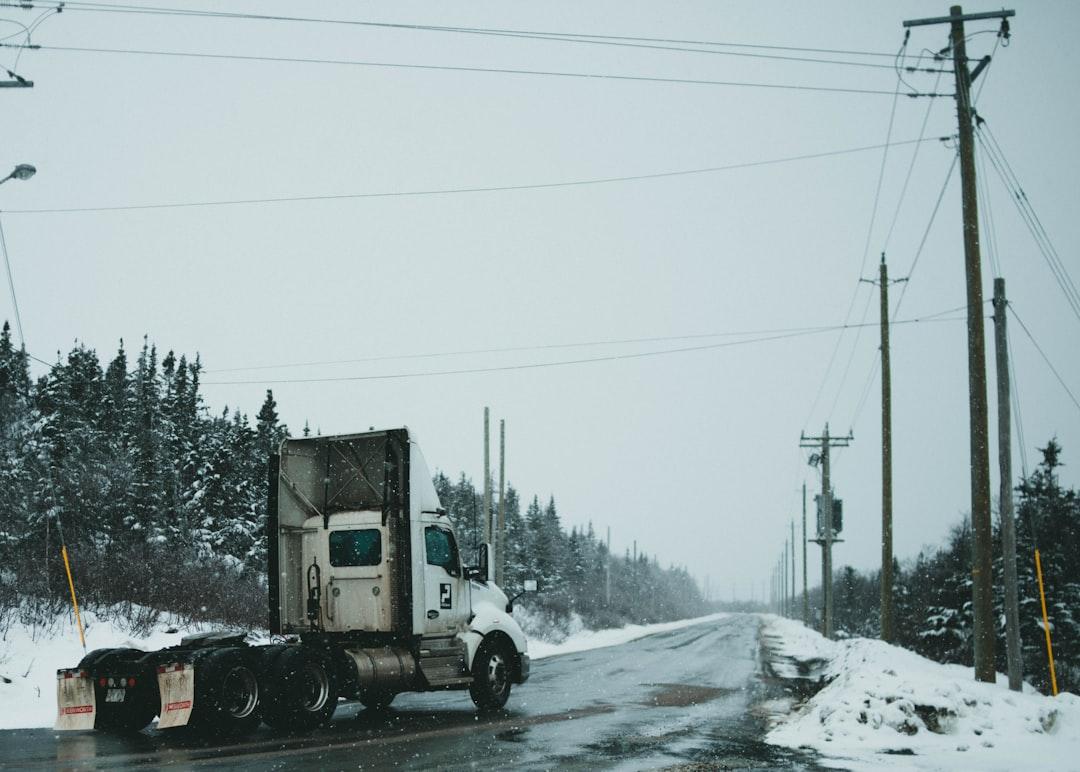
As a trucker, you may face cold weather conditions that can affect the safety and efficiency of your trips. Learn how to winterize a semi-truck with our expert tips for each major system.
Fuel System Preparedness: Preventing the #1 Cold-Weather Killer
In colder temperatures, keeping your tank at least half full — ideally more — at all times is essential to prevent condensation that can lead to water and ice in your fuel lines. Find out how else to keep your fuel system running safely in freezing weather.
Fuel Gelling
Diesel gelling occurs when the natural paraffin wax in diesel fuels crystallizes below 32 degrees Fahrenheit, forming clumps that clog fuel lines and filters. The gelling makes it hard (and sometimes impossible) for your engine to start or run, leading to power loss, stalling, and total engine failure.
Use a diesel anti-gel additive, winterized fuel, or a semi-truck block heater to avoid fuel gelling and its damaging effects on your truck. When applying an additive, it’s essential to follow the manufacturer's mixing instructions exactly. Overtreating your fuel system can clog injectors, cause performance issues, and void warranties, while undertreating it won’t be effective at preventing diesel gelling.
Water Separator and Filter
Drain your fuel/water separator daily to prevent collected water from freezing by following these instructions:
-
Place a container underneath the fuel/water separator.
-
Open the drain valve by turning it until water and fuel flow out.
-
Watch for clean fuel to emerge, indicating that the water separator is empty.
-
Close the valve firmly, but don't overtighten it.
-
Prime the system by cycling the ignition key to purge air before restarting the truck.
Also, replace your fuel filters before winter sets in to further prevent cold-weather issues.
Air and Brake System Integrity
When you need to brake on an icy road, the entire system must work dependably to guarantee maximum safety. Before winter, perform truck air brake system maintenance and inspect all other brake components to ensure you can stop to avoid a crash.
Air Dryer Cartridge
Checking your air dryer cartridge’s functionality is the most critical task in your winter driving preparation. Cold temperatures cause any moisture in the air system to condense and freeze, leading to clogged air lines, malfunctioning brakes, and complete system failure. The air dryer cartridge prevents these issues by removing moisture before it can freeze. Servicing or replacing the desiccant cartridge, if necessary, should be a top priority to avoid brake freeze-up.
Air Tanks
Drain air tanks daily or frequently to remove accumulated moisture and contaminants, following the steps below.
-
Turn off the system and relieve pressure.
-
Locate the drain valve (often a pull-cord or spigot) at the bottom of the air tank.
-
Open the valve slowly to release water and moisture.
-
Let it run until only air comes out.
-
Close the air tank’s valve securely.
Performing this maintenance task regularly is key to preventing ice from disabling brakes, suspension, and other air-powered systems.
Brake Components
Visually inspect your brake pads, lines, and air chambers for wear, cracks, or leaks, which are amplified by freezing temperatures. Check the following components during your inspection to avoid brake failure:
-
Brake pads: Cold weather hardens pads, reducing friction; check their thickness and replace them if they’re worn.
-
Pad movement: Ensure pads move freely in the caliper carrier. Clean their surfaces if the pads are stuck.
-
Rotors: Check for minimum thickness and wear. Replace if you feel a pulsing or vibration in the brake pedal, hear grinding or squealing noises, or see deep grooves, cracks, or excessive rust.
-
Caliper boots: Inspect for tears. Corrosion from road salt and moisture can cause pistons to stick or seize, while ice buildup or moisture in the brake fluid can freeze moving parts.
Always test your brakes before heading out on the road. After starting, push the pedal repeatedly to circulate air and check for leaks or sticking. Listen for hissing or grinding noises, which signal air leaks or frozen components. If any part of your brake system feels or sounds off, have it checked out immediately. Out driving in cold, icy, or snowy conditions is not the time to discover that your brakes aren’t working.
Engine and Cooling System Reliability
Keep your heating, cooling, and overall engine systems running safely and dependably by checking for issues and addressing them before taking your truck into winter weather.
Coolant/Antifreeze
First, ensure the system contains full coolant levels. Then, use a hydrometer or refractometer to check your coolant's freeze point, ensuring it provides protection down to at least -30 degrees. Protection further down to -40 degrees is preferable.
Also, check for the proper coolant mixture, which is typically a 50/50 mix of water and antifreeze that provides deep-freeze protection. If your coolant appears cloudy or contains debris, consider it contaminated and flush and replace it.
Engine Block Heater
Using a block heater keeps the engine and oil warm overnight for easier startup in sub-freezing temperatures, and reduces wear and tear on overall fuel and engine systems. While using an engine block heater, regularly inspect the device and its cord for damage, as a malfunctioning heater poses a significant fire risk.
Hoses and Belts
Regularly inspect all hoses and belts for cracks, bulges, or leaks, as cold weather makes rubber components brittle. Depending on the specific hose or belt affected, a leak can lead to catastrophic engine failure, overheating, loss of power steering, and, ultimately, dangerous roadside breakdowns. By frequently checking your hoses and belts, you can catch minor issues before they become significant problems. This ensures your safety, reduces costly repairs, and helps you maintain operational efficiency.
Electrical System and Visibility
In freezing temperatures, you need your battery to start your truck reliably, and you need to be able to see the road when it’s dark and snowing. Perform a complete, cold-weather truck inspection and maintenance on your battery, wipers, and lights before facing bad weather to ensure both your safety and the safety of other drivers sharing the road.
Battery Health
Most batteries last 3 to 5 years, but freezing temperatures can put significant strain on them. Before winter, replace your battery if it's nearing the end of its lifespan to avoid any issues with starting your truck in low-temperature areas.
Cold weather also significantly reduces battery efficiency. Before you’re out on the road, follow the steps below to perform a truck battery check for winter using a load test.
-
Apply a load: Connect a load tester to the battery terminals. It will use a carbon filament or a simulated load to mimic the demand of starting an engine.
-
Monitor voltage: Read the battery’s voltage on the attached meter.
-
Check performance: Ensure the voltage stays above a minimum threshold (generally 9.6V). If it doesn’t, your battery might have hidden internal issues, weak cells, or insufficient capacity.
If your battery passes the load test, proceed to clean the battery terminals to remove any corrosion. Then check your inverter and confirm all connections are secure to ensure the whole system is working well.
Wipers and Fluid
Your wipers become essential pieces of equipment when facing fast-falling snow, freezing rain, or hail. Replace worn wiper blades with cold-weather variants and ensure the reservoir is full of winter-grade washer fluid that won't freeze. Without the proper equipment in place, your visibility could be severely compromised, significantly increasing your risk of crashing.
Lights
Reduced daylight and poor visibility are significant winter hazards. Inspect and ensure all headlights, brake lights, and marker lights are clean and fully functional, so your truck is safe to operate in snowy and dark conditions. Otherwise, dim headlights keep you from seeing potential hazards ahead, or busted brake lights might make it easier for someone to rear-end your vehicle.
Tires, Traction, and Emergency Preparedness
Your tires need the proper tread depth and inflation to reduce your risk of sliding on icy roads. Checking and maintaining your tires before you leave could make the difference between a safe trip and an accident, so take special care during your winter pre-trip inspections.
If you do find yourself stuck in a breakdown, you’ll need supplies to keep yourself safe and comfortable while you wait for aid. Prepare a properly-equipped emergency kit to use if you get trapped in wintry weather.
Tire Pressure
Cold air causes tire pressure (PSI) to fall by approximately 1 PSI for every 10-degree drop. You should check and adjust your tire pressure daily to maintain traction and prevent uneven wear.
Tire Chains
Remember, many mountainous and cold-weather states legally require tire chains. Examples of specific states with a truck tire chains requirement include:
-
California: You must stop and put on chains when highway signs indicate chains are required; otherwise, you can be stopped and fined.
-
Colorado: From September 1 through May 31, all trucks must carry enough chains on I-70 when traveling between mile markers 259 and 133, or face fines.
-
Georgia: The Georgia Department of Transportation (DOT) can post signs, limiting access to only those using chains on certain highways during inclement weather.
-
Idaho: If the Idaho DOT determines that it is unsafe to drive in specified areas, then you will be required to chain up a minimum of one tire on each drive axle and one axle at or near the rear.
-
Kentucky: You can’t use chains on a highway that’s not covered with ice unless your wheel rests on an at least 6-inch-wide ice-shoe. There are also size and placement regulations for cross chains used on rubber-tired vehicles.
-
Michigan: You’re allowed to use chains for safety when snow and ice are present, but the chains can’t come in direct contact with the road's surface.
-
Nevada: It’s illegal to drive a vehicle without traction devices, tire chains, or snow tires on any icy or snowy street or highway marked with signs requiring their use.
-
Washington: Vehicles over 10,000 pounds GVW must carry a minimum of two extra chains in case road conditions require more chains, or the chains in use are broken or otherwise rendered useless. Plastic chains are not allowed.
-
Wyoming: Two levels of restrictions can be implemented on specific highway sections when inclement weather conditions warrant.
If you’re a newer driver who will pass through colder regions this winter, make sure to review state laws before embarking on a route and practice putting on your tire chains. Knowing how to install the chains ahead of time will save you time while keeping you safe and compliant on icy roads.
Emergency Kit With Survival Gear
In a winter emergency kit, pack essential items including:
-
An extra phone charger so you can call for help and keep connected
-
A map to identify your location and nearby rest stops if you don’t have service
-
Some extra blankets or a sleeping bag for warmth
-
A set of dry clothes in case you have to go out in the snow
-
Non-perishable food and water to have while you wait for assistance
-
A charged flashlight to inspect truck damage and avoid falling in the dark
-
Flares or reflective triangles to signal your presence to other vehicles
-
Jumper cables in case your battery dies and needs a jump-start
-
A small shovel to dig your tires out of a snowy area
-
A scraper to remove ice and snow from your windshield and mirrors
-
Traction aids, like kitty litter or sand, to help get your truck out of the snow
Some of these items, like clothes and food, will make a long wait for help much more comfortable. Others, like the shovel and traction aids, give you options for solving tricky situations, such as driving your truck out of a snowy rut. Still, others, including the flares and flashlight, enhance your safety if, for some reason, you find yourself on the side of the road during the winter.
America’s Trucking Warranty Covers You When Winter Gives You Its Worst
Ultimately, proper winterization of your truck keeps you and other drivers safe on the road. Before winter, prepare your vehicle by inspecting all of your systems and performing necessary maintenance. During the winter, check your truck methodically, system by system, to identify and fix issues before they compromise your vehicle’s reliability.
No matter how well you prepare, winter can bring unexpected hazards that lead to accidents or breakdowns. When you face winter’s worst, a warranty from ATW covers the cost of repairs so you don’t have to pay out of pocket. Find out how — request a free quote today.