The Ultimate Guide to Commercial Trucking Logistics: Operations, Tech, and Strategy
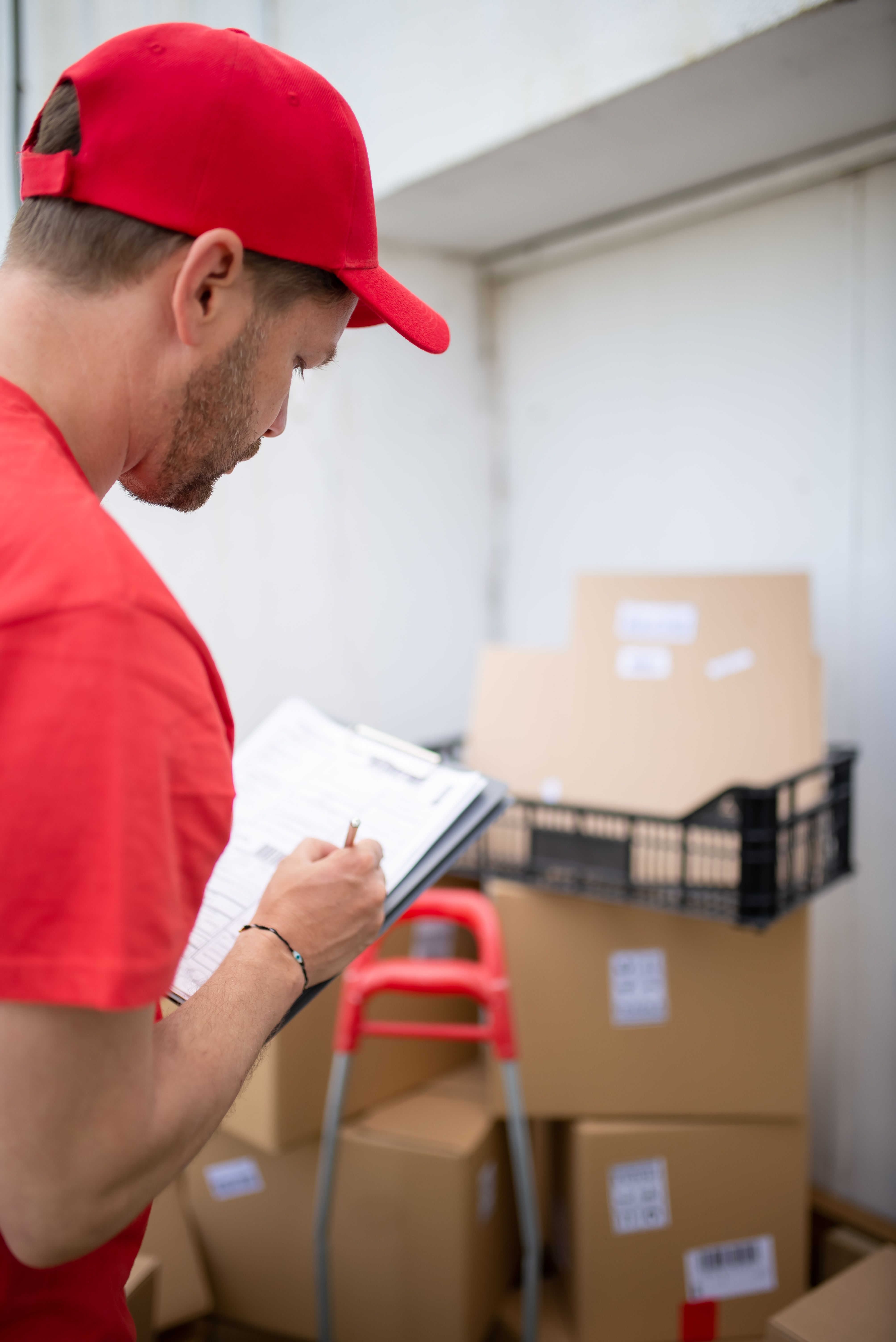
Commercial trucking logistics facilitate freight transport from one location to another through extensive planning and coordination. But logistics is more than route mapping; it encompasses the entire fulfillment timeline, from freight management and carrier selection through transport, warehousing, and delivery.
In this definitive guide, we explain how commercial trucking logistics business models apply to real-life freight workflows. We also outline how modern technology, regulatory compliance, and key performance indicators influence and improve freight management for both large fleets and small owner-operators.
Understanding the Logistics Business Models
Logistics companies are the organizing foundation of the trucking industry. Several types of logistics business models exist to handle different freight transport needs.
The most common logistics management methods are through freight brokers, third-party logistics (3PL), and fourth-party logistics (4PL) providers.
Freight Brokers
Freight brokers are intermediaries with industry connections that link shippers with carriers. A freight brokerage doesn’t own trucks or warehouses. Instead, they use advanced technology to streamline operational workflows in trucking companies.
Shippers who need one-off, infrequent, or specialized transport can benefit from hiring a freight broker to manage carrier hiring, paperwork, and tracking.
Third-Party Logistics
Third-party logistics providers manage the entire cargo supply logistics process for their clients. Unlike freight brokers, 3PLs often maintain their own trucks and warehouses. This enables them to provide integrated supply chain services and scale them as needed.
3PL providers partner well with e-commerce and retail shippers that experience seasonal fluctuations. They also facilitate rapid scaling and cost-cutting for businesses with shifting needs.
Fourth-Party Logistics
Fourth-party logistics providers operate on a broader scale, handling the full range of logistics and supply chain activities for their clients. They coordinate with multiple 3PL providers, manufacturers, and customers to optimize the end-to-end supply chain.
4PLs act as strategic consultants and do not necessarily keep their own trucks or assets. Instead, they use technology and resources to deliver comprehensive solutions for large companies with complex logistics, including international shipping, customs, warehousing, and fulfillment.
Private vs. For-Hire Carriers
Some companies decide that it’s worth the investment to handle their own freight operations. These private carriers handle transport and logistics solely for their own operations. For-hire carriers, on the other hand, transport cargo as a service to others in exchange for compensation.
Trucking companies must understand the distinction between private and for-hire carriers. For-hire carriers operating across state lines must register for operating authority with the Federal Motor Carrier Safety Administration (FMCSA) and obtain a U.S. Department of Transportation (USDOT) number.
Private carriers that transport only cargo for their own operations are exempt from FMCSA registration. Other exempt carriers include:
-
Carriers operating within a federally designated commercial zone
-
For-hire carriers that haul exempt commodities
-
Intermodal equipment providers
-
Cargo tank facilities
Check with local, state, and federal regulatory agencies before you begin shipping operations to make sure your business complies. Freight brokers, 3PLs, and 4PLs usually handle registration and compliance. However, it’s best to double-check, as your trucking operation could be liable for fines and other penalties if you fail to register properly.
Core Workflow: The Life Cycle of a Load
To determine which logistics business model is best for a commercial shipping operation, operators must first understand the full life cycle of a cargo load. While the process can vary by cargo type, the standard operating process typically includes the following steps.
Planning & Procurement
Whether it’s a one-time shipment or recurring transport, every commercial load starts with a planning cycle. Shippers use the planning and procurement phase to move from the conceptual stage to an actionable shipping strategy.
Planning
During planning, shippers identify the best mode of transport based on cargo type and budgetary requirements:
-
Full truckload (FTL) uses an entire trailer to haul one customer’s cargo from origin to destination without intermediate stops.
-
Less-than-truckload (LTL) hauls smaller shipments from multiple customers in one trailer, requiring additional stops for loading and unloading for each client’s cargo.
-
Intermodal transport moves goods across the freight network using multiple modes, including ships, rail, air, and trucks.
The shipper then determines which equipment they need to transport their cargo. For example, a standard 53-foot semi-trailer might work for dry retail goods, but the shipper may need a flatbed trailer for large equipment. Some specialized cargo requires refrigerated trailers (reefers), dry vans, or other climate-controlled containers.
In addition to mode of transport and equipment, the shipper uses the planning phase to assess the full scope of their shipping requirements, including:
-
Delivery distances
-
Shipping timelines
-
Load frequency
-
Projected delivery schedules
-
Planned routes
-
Special shipping needs
As the final step in the planning phase, the shipper incorporates these details into a request for proposal (RFP), initiating the procurement process.
Procurement
Procurement is the active process of seeking and evaluating bids to secure a carrier contract. Typically, the shipper submits an RFP to multiple carriers to ensure competitive bids.
During the procurement process, the shipper and carrier negotiate freight rates, payment terms, fees, and service-level agreements (SLAs). Once the client and carrier finalize the contract, they can begin preparing documentation for the initial load.
Brokers and logistics companies often manage procurement, especially for long-term contracts. However, carriers, shippers, brokers, and owner-operators also use load boards to find work and fill trucks, especially for LTL loads. With the right coordination, load boards can help carriers maximize trailer space and minimize empty miles.
Documentation
During transport, appropriate documentation is essential to ensure efficient operations and regulatory compliance.
Critical truck cargo documents include:
-
The bill of lading (BOL) is a legally binding document that outlines the shipping terms and confirms that the carrier received the goods at the point of transfer. The BOL serves as a receipt for goods, proof of ownership, shipping details, and cargo condition for each transfer.
-
The rate confirmation (RateCon) lists all agreed rates for shipping services. It includes loading and unloading fees, any special considerations, and established freight rates based on cargo weight or count. The broker or shipper usually creates the RateCon, and both parties must sign for it to be valid.
-
Proof of delivery (POD) is a written receipt signed by the recipient of the cargo upon delivery. The POD confirms that the cargo was delivered to the designated location in good condition at the agreed time. It should include the recipient’s signature, delivery information, shipment details, and notes about the cargo’s condition. Some companies use a signed final BOL for proof of delivery.
Logistics documentation provides transparency and accountability throughout the shipping process. With clear documentation, you can rapidly resolve any shipping disputes and improve carrier relationship management with shippers and customers.
Execution & Tracking
The execution phase begins when the shipper and carrier implement plans and contracts to move goods from point A to point B. It starts with dispatchers notifying carriers or individual drivers of a cargo assignment.
Loading
Upon arrival at the loading site, the carrier will finalize the BOL or other loading documentation to confirm receipt. The truck operator usually handles or monitors cargo loading to ensure optimal trailer capacity and securement.
Communications and Tracking
Communication and accurate tracking are crucial during the execution phase of a commercial trucking operation. Modern logistics systems use GPS and telematics to track shipment locations and statuses in real time. Open communication between dispatchers, warehouse staff, and drivers keeps everyone on schedule and notifies all stakeholders about any problems or delays.
Final Mile Delivery
The final mile of cargo delivery is the last step of delivering a load to the receiving customer. When the driver arrives at the delivery location, they pull into the loading dock and sign the final BOL over to the customer.
Depending on the contract terms, the driver may assist with unloading cargo from the trailer, or they may be required to pay dock workers to unload. In many contracts, the driver is responsible for removing the cargo from the truck, but the receiving customer is responsible for managing the cargo once it's off the trailer.
Payment and Freight Factoring
Once the load is delivered and the BOL is signed, the carrier submits an invoice to the shipper in accordance with their agreement. Many carriers use freight factoring to receive payment within 24-48 hours of delivery, rather than the average 40-day turnaround.
Although factoring can cost 2%-10% of the total invoice amount, the advantages of factoring often outweigh the expense. Drivers are paid and can refuel sooner, enabling them to get back on the road to haul more loads.
The Technological Foundation
Modern trucking logistics operations rely on advanced technology to remain competitive and reliable. This “tech stack” of integrated systems provides the technological foundation for the full shipping process.
Tools like those below make modern commercial shipping logistics possible:
-
Transportation management systems (TMS): The TMS is the brain of a commercial trucking logistics operation. It serves as the centralized hub for carrier dispatch, load management, route planning, auditing, and billing.
-
Telematics and electronic logging devices (ELDs): Telematics and ELDs track real-time GPS and engine data to monitor driver safety, hours-of-service compliance, and fuel efficiency.
-
Digital freight matching (DFM): DFM matches shippers with available carriers via websites and mobile platforms. It’s the next step in the technological evolution toward automated, algorithm-driven booking.
-
Accounting and enterprise resource planning (ERP): Accounting and ERP software combine and centralize core financial activities across the entire trucking logistics operation. This allows the organization to manage freight invoicing, fuel management, and equipment maintenance based on real-time needs.
Compliance and the Regulatory Environment
Every trucking logistics operation must comply with legal and regulatory requirements for industry safety. With a clear understanding of trucking regulations and compliance, carriers can shape their logistics strategy to optimize operations while prioritizing safety and regulatory compliance.
Below are a few of the most common standards that apply to commercial trucking logistics operations:
-
Hours of service (HOS): Driver fatigue is a major cause of commercial truck accidents, which is why the FMCSA has established strict HOS regulations for vehicle operators.
-
FMCSA standards: FMCSA requires carriers to meet specific safety requirements for securing cargo, maintaining safety equipment, and conducting regular vehicle inspections. Federal regulations also address commercial driver’s license (CDL) standards, including drug and alcohol testing and medical examinations.
-
Hazardous materials (hazmat): If your operation involves hazardous or specialized materials, federal and state laws require additional driver certification, vehicle equipment, and liability insurance coverage.
Other regulations at the state, local, and federal levels may apply, so you must address the specific requirements for your cargo type and shipping locations.
Key Performance Indicators: Measuring Success
Logistics operations can measure their success in real time. If logistics providers know their “batting average,” they can adjust and improve overall operational performance.
Key performance indicators (KPIs) provide logistics performance metrics that help operators identify and address issues related to safety, costs, and efficiency. Below are the typical KPIs that commercial trucking logistics companies track and what they mean for a business’s bottom line.
On-Time Delivery (OTD)
On-time delivery tracks the number of deliveries made by the scheduled date and time and converts it into a measurable percentage. OTD is a primary metric of customer trust. Consistent, timely deliveries demonstrate to the customer that the shipper/carrier is reliable and respects their time.
Cost Per Mile (CPM)
The ultimate measure of operational efficiency is cost per mile, which is the average cost of operating a commercial truck over a specific period. Factors incorporated into this number include:
-
Fuel costs
-
Driver wages
-
Vehicle maintenance
-
Insurance premiums
-
Empty miles, or deadhead
-
Idle time
Tracking cost per mile enables carriers to reduce empty miles, optimize fuel efficiency, and prevent costly breakdowns.
Deadhead Percentage
Deadhead refers to the time drivers spend on the road without cargo. Non-revenue miles increase fuel costs and maintenance expenses, harming carrier overhead and CPM.
ELD and TMS data allow carriers to track and address empty hours by monitoring loaded versus total weekly miles. Private carriers often have higher deadhead percentages than for-hire drivers, due to shipping limitations — they can’t carry goods that aren’t directly related to their operations.
For-hire carriers, on the other hand, have the flexibility to address these empty miles. According to Ryder, many for-hire operators address deadhead by finding backhauls — loads they can haul from point B back to point A.
Dwell Time
To further address hourly inefficiencies, logistics providers monitor dwell-time KPIs. Dwell time consumes driver hours and ties up trucking equipment, reducing cargo deliveries and increasing overall costs.
You can calculate it using the following formula: Departure Time – Arrival Time = Dwell Time.
Generally, industry standards allow for two hours each for loading and unloading. Beyond that, downtime begins to erode fuel efficiency and overall carrier shipping capacity.
Some contracts enforce a financial penalty, called detention pay, on shippers after two hours. While this can help carriers recoup costs associated with excessive dwell time, it can also harm professional relationships and lead to poor driver retention.
Instead of penalties, commercial trucking companies can use several other strategies to address dwell time.
-
Data analytics: ELD and TMS programs let carriers calculate median dwell time and arrival delays. With this information, they can adjust delivery routes and schedules to reduce downtime.
-
Enhancing yard operations: Suppliers and delivery customers can take steps to improve facility operations and optimize loading and unloading time. This might include clearing aisles, staging deliveries, and organizing the warehouse for speedy pick-up and delivery.
-
Streamline check-ins: Carriers and customers can implement dock-scheduling software to expedite check-in by enabling digital BOL review and signatures.
-
Communication: Open communication among drivers, carriers, shippers, and customers keeps everyone aligned when delivery delays or other scheduling issues arise.
Vehicle Wear and Maintenance
Commercial trucking logistics operations also use vehicle maintenance KPIs to track periodic maintenance and repair. Regular maintenance reduces wear and tear on commercial vehicles.
Important KPIs related to maintenance include:
-
Preventive maintenance compliance
-
Breakdown and downtime frequency
-
Repair turnaround time
-
Repeat repairs frequency
-
Mean time between equipment failures
Fleet operators can use these metrics to reduce repair and downtime costs by taking a proactive approach. Making repairs now typically means fewer expensive breakdowns in the long run.
Enhance Your Trucking Logistics Business With America's Trucking Warranty
Commercial trucking logistics operations depend on a reliable fleet to meet delivery deadlines and minimize CPM. An extended coverage plan for your commercial fleet helps you avoid expensive downtime and keeps your operation running smoothly.
Even with regular maintenance, wear and tear on a commercial vehicle is inevitable. Save time and money in the long run with a warranty plan tailored to your fleet operations.
America’s Trucking Warranty offers comprehensive mechanical coverage to help you get back on schedule after an unexpected breakdown. Whether you run a large private fleet or an owner-operator for-hire service, we will help you cover repairs for any licensed facility in the USA or Canada.