Choosing the Right Semi-Truck: A Guide for Truckers
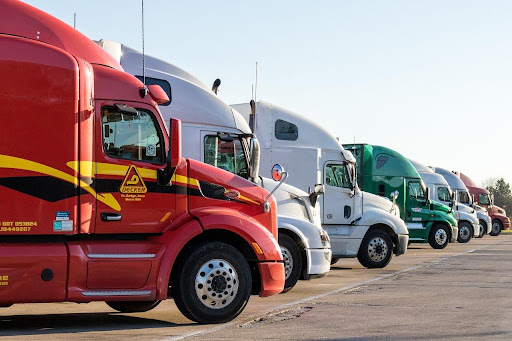
Whether it’s your first time purchasing or you're a seasoned industry vet, buying a semi-truck is a huge investment. Explore our semi-truck buying guide to find the brand, truck type, and specs that best suit your needs. Then, go out there and buy with confidence!
Semi-Truck Brand Comparison
Fuel efficiency, sturdiness, parts quality, and even style separate truckers’ favorite brands. Whether you’re looking for an affordable option, the smoothest ride, or the biggest sleeper cabin for your comfort, one of these top brands is bound to have what you need. Below, we compare the best semi-trucks for truckers, separated by brand.
Peterbilt
Manufactured by PACCAR, one of the world's most trusted heavy-duty truck manufacturers, Peterbilt trucks are a solid choice for new and experienced drivers alike. With technologically advanced features, comfortable cabs, and high-quality parts, these American semi-trucks are a classic industry staple.
While there’s no doubt their iconic long nose makes them a stylish choice for a loyal fanbase, Peterbilt trucks are also known for their sound engineering. These trucks’ aluminum bodies are resistant to corrosion for up to 30 years, and they are also overall lighter and more fuel-efficient. Conversely, their lighter bodies also make them not the best choice for hauling the heaviest of loads.
Peterbilt offers two non-electric Class 8 semi-truck models, Model 389 and 579. Both are high-quality choices distinguished by their different looks. Model 389 is more classic, while the 579 has a more modern design with aerodynamic improvements, increasing its fuel efficiency. To further enhance fuel efficiency, the 579 features advanced tech in the form of predictive cruise control. For greater comfort, the 579's sleeper cabin also has one of the largest mattresses you will find.
Kenworth
Known for their reliability, Kenworth’s 18-wheelers are manufactured by the same company as Peterbilts — industry giant PACCAR. Although they may be more expensive upfront because they use sturdier materials, Kenworth semis typically offer excellent value.
For the budget-conscious driver, Kenworth trucks offer features similar to those of other top trucks while also tending toward lower operations and maintenance costs. However, they are heavier and less fuel-efficient, so truckers must balance costs with their type of work to decide whether a Kenworth will deliver value.
These trucks ' top features are smooth navigational technology and unmatched durability, allowing them to handle heavy loads consistently. When well-maintained, they can outlast many other types of trucks on this list.
Popular Kenworth models include the T680, T680 Next Gen, W990, and W900L. These versatile machines can be customized by upgrading an MX-13 engine to an MX-11 engine.
With long-lasting reliability, Kenworth semi-trucks usually retain much of their resale value. Since experienced drivers advise on all of the design features of their semi-trucks, Kenworths are impressive vehicles made for truckers, by truckers.
Freightliner
These versatile trucks are known for being aerodynamic, fuel-efficient, and powerful. Freightliner engines can handle 350–600 horsepower and up to 2,050 lb. of torque. These heavy-duty vehicles are complete with Detroit powertrains, making them a dynamo semi-truck choice.
The Cascadia is the signature of their semi-truck models, and a fully electric version called the eCascadia is also available. If you want a balance between a smooth ride and a powerful build, either option is a safe bet. The Cascadia offers plenty of torque, reliably handles challenging terrain, and makes long hours on the road more comfortable for truckers nationwide.
Freightliners are also a great option for affordability. Since the aluminum they’re made from is lighter and more affordable than steel, they overall cost less than many competitors while providing top-notch features.
However, the market for Freightliners is quite saturated, meaning your semi-truck might have a lower resale value when you eventually decide it’s time to move on. For the same reason, maintenance and repair can be a hassle and have longer wait times than other options.
Volvo
Volvos are more popular internationally than in the U.S. and are considered some of the nicest trucks available. They are made by the same manufacturer as Mack trucks, which grants drivers access to an excellent nationwide support network.
Volvo is known for its commitment to safety, innovation, and eco-consciousness. Its trucks use cutting-edge technology to combine durability, performance, and comfort. Plus, Volvo trucks are generally lighter and smaller, making them more fuel-efficient and easier to drive than other common brands.
While Volvo's industry-leading parts can benefit drivers, their uniqueness also translates to more expensive repairs. One of these trucks’ best features is dynamic steering, which adds torque to the steering column, allowing for smoother lane changes and turns. However, Volvo uses its own powertrains in the D series, which could lead to insufficient engine torque on the steepest roads.
International
International’s class 8 semi-trucks are considered both good-looking and high-quality. They were designed with drivers' comfort in mind. Their S13 integrated powertrain is one of the lightest and most fuel-efficient today, making long-term costs more affordable while reducing emissions. Truckers choose International vehicles for the pleasant driving experience they provide, including enhanced safety from better front and side visibility.
If you’re considering an International brand truck, be sure to read reviews about specific models. The selection is extensive and varied. The International Prostar with the MaxxForce engine has caused drivers headaches with severe breakdown issues, while the brand’s Lonestar and LT series are known for their high power and performance. The Lonestar, in particular, stands out as a top contender for hauling livestock.
Mack
Mack is one of the most iconic names in the trucking industry for a reason — its legacy of durability and strength dates back to the early 20th century. Mack’s rugged rigs can survive tough conditions and, with proper maintenance, can last for several million miles.
Over the years, the Mack brand has consistently been at the forefront of fuel efficiency innovation. Their efficient engines and aerodynamic features mean you’ll pay less for fuel over the long haul. Mack also prioritizes driver comfort with large cabins and ergonomic seating.
However, Mack engines have been known to overheat faster than today’s more popular brands, like Peterbilt. So, if you truck through a particularly hot climate, drive exceptionally long distances with few breaks, or often tackle steep inclines, the risks of overheating may outweigh the benefits of buying a Mack.
Western Star
Owned by the same company as Freightliner — Daimler — Western Star’s 5700XE model is comparable to the Cascadia. However, with a slightly narrower cabin, the 5700XE offers less driver comfort. That same feature makes the Western Star slightly easier to drive, so it’s a give-and-take.
Additional differences between the two include the cab wiring harnesses. The Cascadia is more advanced but harder to repair, while the 5700XE uses more traditional wiring that’s easier to fix. Finally, the 5700XE tends to ride a little rougher than the Cascadia and can be more sensitive to the whims of crosswinds, though it’s solid at handling any headwind.
Types of Big Trucks
There are a few different types of large trucks, each ideal for hauling specific kinds of goods in varying situations. So, you want to choose the right truck type based on the cargo you haul and the vehicle size you need.
Dry Van
A dry van keeps non-perishable goods safe from rain, wind, or dust while in transit. Because they do not have temperature control, dry vans are best suited for moving goods such as clothing, electronics, packaged foods, paper products, and automotive parts. If you’re considering purchasing a dry van, consider its size and capacity for hauling your usual cargo and loading features like swing or roll-up doors for easier access.
Reefer
A reefer is a refrigerated truck that keeps goods temperature-controlled. These trucks keep perishable meat, produce, frozen foods, medicine, and flowers safe and high-quality between warehouses and stores. They use thermoelectric or evaporative cooling or refrigeration systems to keep cargo cool over long distances.
Flatbed
Flatbed trucks have no sides or roofs, making them perfect for oversized hauls that don’t fit into other truck types. They often carry bulky, heavy items such as building materials, construction machinery, and shipping containers. Their design allows for easier loading, moving, and unloading of abnormal loads.
Tanker
Tankers are designed to carry liquids or bulk solid loads. These vehicles commonly carry fuel. However, they can also reliably move other fluids, such as water, cooking oils, agricultural chemicals, and wine.
Evaluating Semi-Truck Specs
When choosing a semi-truck, consider which features are the most important. For example, if you will be driving somewhere with a lot of steep inclines, getting a truck with a powerful engine is probably at the top of your priority list. Conversely, if you’re constantly carrying heavy loads, axles may be the most important factor to consider. Below, we explore four important specs that will help narrow your search.
Engine Options for Semi-Trucks
Most semi-truck engines produce more than 400 horsepower. If you want your engine to last for a long time, opt for a larger engine that can handle the output. Torque is even more critical when it comes to your ability to haul heavy loads on steep inclines. In fact, torque for semis is usually 10 or more times higher than that of a four-door sedan.
The engine also plays a significant role in your truck’s fuel efficiency. You’ll have to choose between vehicles that take gas (which is cheaper and lighter), diesel (which excels in powering high torque engines for heavy hauling), or alternative fuels.
Transmission Options
While semi-trucks have long had manual transmissions, new versions are more often automatic. When deciding between manual and automatic semi-trucks, consider the value of a smoother, safer, and more efficient automatic transmission compared to buying a used manual truck.
Ultimately, it will probably depend on your familiarity with either and how much time you want to spend training before you get out on the road. Newer drivers will likely learn to drive automatically faster, while seasoned truckers are likely already used to driving manual.
Axle Configurations
Your axles and their placement determine how heavy a load you can carry over certain types of terrain. While more axles mean more weight capacity, they come at a higher price. Also, additional axles may negatively impact the roads they travel on, so truck manufacturers should follow the Generalized Fourth Power Law.
Cab Configurations
For your cab, you can choose between static and air ride configurations. While air ride options are more expensive, they let you adjust your drive height on demand, even while driving. They also make for a smoother ride thanks to flexible adjustment when handling different loads.
How Your Work — And Lifestyle — Factors In
All truck-buying decisions ultimately depend on how you work and live on the road. Learn how to weigh the options against your driving style, usual cargo, budgetary constraints, and comfort concerns.
Driving Style and Cargo Types
Whether you’re driving over the road, regionally, or locally, the regular distance of your drives will affect your trucking needs. Shorter distances mean you probably know the terrain you’re driving fairly well and can make decisions more geared toward budget. Conversely, driving longer distances will require ruggedness and adaptability from your vehicle.
Also, if you’re doing specialized hauling, you’ll need to choose a truck that best suits that specific industry. For example, you’ll have to follow more specific vehicle requirements for livestock hauling or transporting hazardous materials.
Budget
When setting your budget, consider the estimated costs of new vs. used trucks and the total cost of ownership. Spending more upfront on features that reduce future semi-truck maintenance and fuel costs might be worth it. However, getting the biggest sleeper cab possible might not be worth it, especially if you’re just starting out.
Also, don’t neglect the long-term resale value of semi-trucks when making your decision. When you’re ready to upgrade, you’ll want to get enough money from the sale of your truck to level up while being fiscally responsible.
Comfort Level and Overall Lifestyle
While a sleeper cab might not be the deciding factor, larger sleeper cab sizes can make your life on the road much more comfortable. And ergonomic seating can save you from back problems after hours on the road. Definitely check out the amenities in the trucks you’re considering. Just make sure you’re realistic about what you can afford compared to how much money you stand to make in the next few years.
Should You Buy New or Lease?
Before purchasing, consider buying or leasing new vs. used semi-trucks. Each choice has pros and cons, but the decision ultimately comes down to what will serve you best, given the unique circumstances of your business and lifestyle,
| Pros: | Cons: | |
|---|---|---|
| Buying |
|
|
| Leasing |
|
|
| New |
|
|
| Used |
|
|
How Will You Know When It’s Right?
Ultimately, deciding on the right truck for you is several decisions all wrapped up in one. Consider brand, truck type, and available features while looking for a truck that meets your needs. Then, as you narrow down your options, do your own research and evaluate reviews and testimonials of specific trucks and their brands before purchasing. Only you can decide what’s most important and which truck will deliver the most value based on your priorities.
How America’s Trucking Warranty Protects Your Investment
No matter which semi-truck you choose, an extended truck warranty can help keep your investment safe. That’s where coverage from America's Trucking Warranty comes in. Our medium and heavy-duty plans will bring you peace of mind, knowing we’ll help you pay for repairs along the way.
Reach out today to learn more.