Essential Trucker Safety Gear: A Comprehensive Checklist
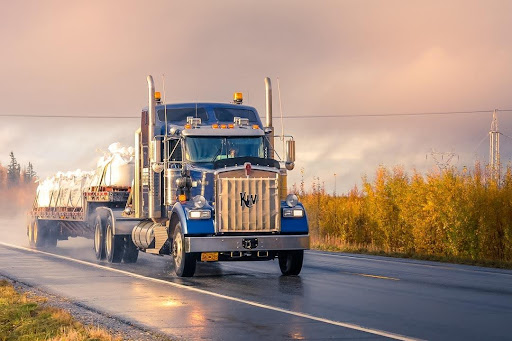
As a group, commercial truckers are statistically safer drivers than average drivers. This shouldn’t come as a surprise given that they spend much more time driving than the average driver. However, since truck drivers are on the road for extended lengths of time, they face unique hazards due to their jobs. The following list of tips and trucker safety gear will help keep you protected on the road and prepared for any potential hazards.
Hazards Trucker Face
Truckers face more driving hazards than ordinary drivers. You face additional risks associated with driving heavier equipment, spending long hours on the road, and hauling products that may include dangerous chemicals or other hazardous materials. You may also have to work as a field mechanic under dangerous conditions to repair damage to your truck on the side of the road.
These can include accident hazards such as the increased risk of a vehicular accident, accidental poisoning from vehicle emissions or other chemicals, falls, being crushed between trailers, or injuries from overexertion.
Physical hazards can include exposure to extreme heat or cold temperatures, excessive sun exposure, and musculoskeletal pain from prolonged sitting. If you sleep in your cab, you also have to worry about staying safe in your truck while sleeping and getting enough sleep to be awake and alert on the road.
Roadside safety for truck drivers is a top priority. To protect yourselves against these and other hazards and to follow DOT safety requirements for truckers, your truck should be stocked with appropriate safety gear.
Types of Trucker Safety Gear
You need to be prepared for almost anything when you’re on the road. The following types of truck driver safety equipment will ensure that you are.
Personal Protective Equipment (PPE) for Truckers
A hard hat will protect your head when you’re outside of your cab, loading and unloading equipment, performing repairs, or hooking or unhooking trailers. In addition to physical protection, a hard hat increases your visibility.
The appropriate footwear is also critical safety gear. Protective boots can keep you safe on the side of the road and when entering or exiting your truck. Road conditions are often slippery from oil or ice. If you’re performing emergency truck maintenance on the side of the road, slipping unexpectedly can have devastating consequences.
Other personal protective equipment you may need include:
- Gloves
- Sunglasses and protective eyewear
- Safety vest or high-visibility clothes
- Hearing protection
Emergency Safety Gear for Truckers
The DOT requires all commercial vehicles to carry certain safety equipment. Having the right commercial truck safety gear can be the difference between a minor incident and a major catastrophe. You should have a fire extinguisher on your truck that aligns with the industry standards for the materials you’re carrying. If you’re carrying hazardous materials, you need a fire extinguisher with a minimum 10 BC rating, otherwise, you should have one with a 5 BC rating.
You should also have warning devices in case you need to pull over unexpectedly. These will help avoid accidents and keep you safe. Carry at least three bidirectional emergency reflecting triangles and at least three liquid-burning flares or six fusees. Your trucker emergency kit should include wheel chocks to prevent your vehicle from moving while it’s parked or while you're loading or unloading.
Medical Kit
Although it’s not mandatory, a well-stocked medical kit is important safety equipment. You can start with a basic first aid kit but plan to customize it based on your needs. In addition to standard items such as bandages, make sure you have any medications you take regularly. Also include over-the-counter pain relievers, allergy medicine, joint braces, compression bandages, and other medical supplies you may need, such as extra contacts or glasses. Always carry extra water and snacks in your truck in case you get stranded far from civilization. Keep a small notebook in your medical kit for notes and include emergency numbers in the event that your phone dies or you’re not responsive due to an emergency.
Tools
A basic set of tools can help you get out of a jam even if you’re not a mechanic. At a minimum, you need to be able to perform vehicle inspections. Make sure you have the following:
- Flashlight and strobes
- Duct tape
- Wrenches
- Screwdrivers
- Socket Set
- Portable charger
- Pliers
- Tow strap
- Jumper cables
- Spare fuses
- Paper maps or an atlas in case your GPS isn't working
The Importance of Being Prepared
While it’s impossible to prepare for every eventuality, keeping a few important principles in mind will help you stay safe. You’re most vulnerable on the side of the road, at night, and during adverse weather conditions. If you’re dealing with more than one of those situations, the danger increases. For example, having to make a quick repair on the side of the road in icy conditions at night is an extremely hazardous situation.
Always take precautions and think about visibility. Don’t be tempted to skip wearing your truck driver visibility gear because you’re just hopping out to check something real quick. You should also avoid performing repairs without the proper tools and equipment. You can accidentally damage your vehicle or injure yourself.
Follow FMCSA Guidelines
The Federal Motor Carrier Safety Administration (FMCSA) issues and enforces trucking road safety regulations for commercial vehicles and drivers. The Hours of Service rules limit how long you can drive because no one functions well when they’re overly tired. Getting enough rest is one of the most important safety precautions you can take.
The FMCSA guidelines for long-haul drivers carrying property require that you:
- Drive a maximum of 11 hours in a shift after being off for 10 hours, though you can extend this period by up to two hours if driving under adverse conditions
- Not exceed a 14-hour driving window after coming on duty, but this time can be extended by two hours under adverse conditions as well
- Take a 30-minute break if you’ve been driving for eight consecutive hours
- Not exceed 60/70 hours of driving in a 7/8 day period, which can only be restarted after 34 consecutive hours off
This list is just the minimum. Prioritize your self-care by getting enough sleep, exercising regularly, and eating a healthy diet.
Trucking safety checklist
Use the following checklist as a quick reference tool:
Personal protective equipment
- Hard hat
- Safe footwear
- Gloves
- Sunglasses
- Protective eyewear
- Safety vest or high-visibility clothes
- Hearing protection
Emergency safety gear
- Fire extinguisher
- 3 bidirectional emergency warning triangles
- 3 liquid flares or 6 fusees
- Wheel chocks
Medical kit
- Adhesive bandages
- Gauze pads and antiseptic wash
- Elastic bandages
- Disposable gloves
- Scissors
- Tweezers
- Instant cold packs
- Over-the-counter pain and allergy medicine
- Prescription medications
- Extra contacts or prescription glasses
- Extra water and snacks
- Small notepad and pen with emergency numbers
Tools
- Flashlight
- Strobe lights
- Duct tape
- Wrenches
- Screwdrivers
- Socket set
- Portable charger
- Pliers
- Tow strap
- Jumper cables
- Spare fuses
- Paper maps or atlas
Protect Yourself Against the Unexpected
Regardless of how well-prepared you are, you can’t plan for everything. That’s where America’s Trucking Warranty comes in. Taking excellent care of your truck can help extend its life, but at some point, it will need repairs. America’s Trucking Warranty protects you from the inevitable expense of repairs with plans that cover all essential mechanical components, including engines, transmissions, and more. Reach out today for a free quote.