The Owner-Operator’s Financial Roadmap: Mastering Expenses and Taxes for Long-Term Success
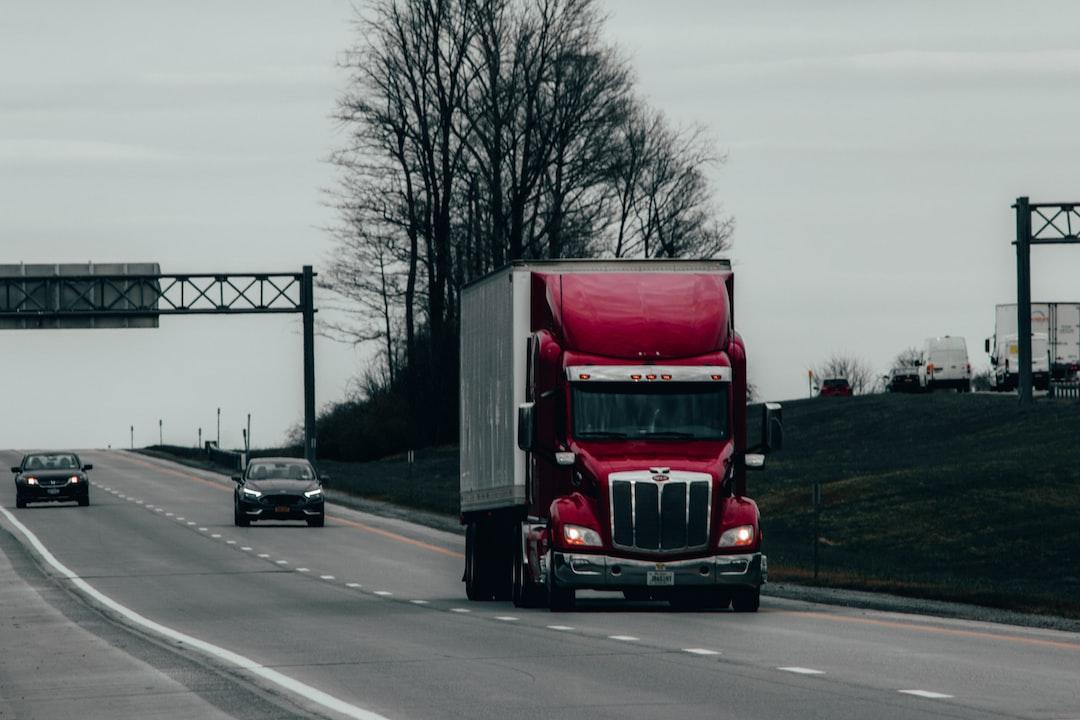
After a long week of hauling heavy loads between ports, interstates, and businesses, the last thing you want to think about is taxes. The hours spent behind the wheel are tiring, and you're looking forward to some family time. Sitting behind the computer calculating mileage and food costs doesn't hold the same appeal.
That's completely understandable — taxes aren't known for being enjoyable. However, a few hours spent setting up your business structure and budgeting tools can save time and minimize stress when filing season rolls around. And after setup, you can kick back and focus on your business.
This guide covers how to manage truck driver taxes and expenses. You'll learn how to choose a business structure, manage expense tracking, and optimize tax deductions you may be eligible for.
Establishing the Foundation: Business Structure and Banking
As the owner of your own trucking business, you can take on jobs from multiple companies and work hours that align with your lifestyle. There are a few drawbacks, such as managing taxes and licenses, but there are many benefits to the arrangement.
That's where business structure comes into play. Independent truck drivers often choose a sole proprietorship or limited liability company (LLC) structure. These business types are suitable for independent truck drivers. However, each structure has advantages and drawbacks to be aware of.
Sole Proprietorship
A sole proprietorship is the default business type for workers who never formally register with the state. The structure doesn't require any registration paperwork or fees, and there's no need to file separate business taxes, as sole proprietors report earnings on their personal tax returns.
Essentially, from the first job you take as an independent truck driver, you're considered a sole proprietor unless you declare a different business structure with your state.
A sole proprietorship may sound convenient and cost-effective, but it has some disadvantages. Owners are fully responsible for any debts generated by their business. They're also personally liable for damages that arise from lawsuits against their business.
Limited Liability Company (LLC)
An LLC is a separate business entity. Because it's not considered an extension of your personal assets, it grants you legal protection against business debts and lawsuits. Provided you set it up correctly and follow the rules, you won't have to worry about losing your personal assets in a business lawsuit.
Like sole proprietorships, a single-member LLC is considered a pass-through entity by the Internal Revenue Service (IRS). That means you won't have to file a separate tax return for your business. Earnings and deductions are captured in your personal tax return.
However, LLCs aren't perfect. Their main drawback is the annual registration and fees that most states require. While the costs aren't astronomical — they're usually less than a few hundred dollars — they do cut into your profits.
Which Structure Is Right for You?
There is no right or wrong choice when it comes to business structures. Ultimately, you'll want to weigh each option's pros and cons and decide which is the best fit for you.
If you worry about personal liability, an LLC is a solid option. It protects your assets from potential business lawsuits and debts. But if you're new to independent trucking, a sole proprietorship allows you to get moving without waiting for state business registration and approvals.
Another Consideration: Banking
No matter which business structure you choose, it's critical to separate your personal and business funds. This helps you easily track annual business expenses, since all your transactions are recorded in a single account. Ideally, you'll open a business bank account and credit card solely for company expenditures.
A sole proprietorship doesn't require account separation, but it's fundamental to the LLC structure. Without a separate business bank account, you may lose the personal liability protection provided in an LLC structure. As personal liability protection is a primary advantage of opening an LLC, this is a step you won't want to overlook.
Tracking the "Silent Killers": Expense Management
At the heart of tax preparation is a dependable expense management system. Since you may claim many of your business costs as deductions on your tax return, you should carefully track them throughout the year. Use these owner-operator bookkeeping tips to start.
The Power of Spreadsheets and Apps
Some drivers rely on the "shoebox receipts" method for monitoring costs. This method works exactly like it sounds — you throw all your business receipts into a shoebox throughout the year. Come tax time, you add up your expenses and include them in your tax return.
However, this method isn't foolproof. There's always the chance you'll miss out on a deduction after accidentally throwing away a receipt. It's also time-consuming. Come tax season, you'll spend hours sifting through receipts, categorizing them, and tallying them for a deduction.
A better option is to adopt a digital tracking system, such as a spreadsheet or an app, to record business expenses throughout the year. Spreadsheets offer a manual (and inexpensive) solution that you can customize for your needs. An app may charge a subscription fee, but it can automate expense tracking activities, especially if you connect it to your business bank account. This can help you monitor your profit and loss as a truck driver.
Digital tracking also offers other benefits, such as monitoring average cost per mile (CPM) throughout the year. If the CPM suddenly rises without a defined cause, it may indicate a failing truck part that's reducing your fuel efficiency. This can save you from a costly breakdown that prevents you from doing your job.
Defining Expense Types
A key part of managing trucking overhead costs and expenses is categorizing your costs by type. Trucking expenses fall into two primary categories: fixed and variable.
-
Fixed costs stay the same throughout the year. You may pay them monthly, annually, or on another defined schedule. These costs are paid regardless of whether you work, and continue until you cancel a contract, pay off a debt, or otherwise terminate the payment arrangement. Common fixed costs in the trucking business include truck payments, insurance, permits, and licensing.
-
Variable costs change from month to month. They depend on how much you drive, your truck's overall condition, and where your work occurs. A few examples of variable costs include fuel, truck maintenance, tires, and tolls.
Separating fixed and variable costs makes it easier to record your expenses. If you know your fixed costs, you can plug them into your app or spreadsheet for the entire year, or until the financial arrangement ends. This leaves you with only variable costs to monitor and record.
America's Trucking Warranty is a fixed cost that can help with surprise repairs. If your truck breaks down or malfunctions during hauls, our warranty covers diagnostics, replacement parts, and repairs. You won't have to worry about dipping into your savings to pay for an expensive fix — your warranty has you covered.
Tax Deductions: Keeping More of What You Earn
Trucking includes a lot of upfront costs. The good news is that you can claim many of those expenses on your tax return. This helps reduce your yearly tax liability.
Here's a look at some of the most common trucking business deductions.
The Per Diem Deduction
Over-the-road truckers may qualify for a per diem deduction for meals and incidentals. It's available to truckers who make long-haul trips that require an overnight stay away from home.
Trucking per diem rates are $80 per day, and apply each day of your travels. Drivers who abide by the Department of Transportation's "hours or services" limits can claim 80% of the per diem deduction.
For example, say you make a round-trip regional haul from Florida to New York that takes four days. You could claim $320 per diem ($80 x four days) for the entire trip. The final deductible amount is $256, or $320 x 0.8 (for the 80% mentioned above).
The per diem deduction adds up quickly, especially if you specialize in long-haul trips. However, if you usually spend nights at home and drive locally, you may not qualify.
Standard Operating Expenses
Purchases made to directly support your trucking business may qualify as a deduction. Some examples include:
-
Subscriptions: Magazines or journals related to the transportation industry are deductible. So are electronic logging device subscriptions and load board fees.
-
Truck expenses: Costs related to operating your truck, such as fuel, insurance, registration, maintenance, tools, and tires.
-
Travel costs: Hotels, tolls, and parking may qualify for a deduction.
-
Incidentals: Personal items used to support driving and truck comfort, such as coolers, cleaning supplies, GPS navigators, and CB radios.
Personal expenses that don't relate to your business aren't deductible. For example, vacation lodging and personal cell phone plans won't qualify.
Depreciation
If you recently purchased a new truck for your business, you may be eligible to claim a depreciation tax deduction. This allows you to write off the truck's purchase price over time.
Many trucking businesses elect the Section 179 depreciation deduction. It allows you to claim the entire value of the truck in a single tax year, with a few caveats.
The maximum amount of Section 179 deductions that a business can claim in one year is generally $2,500,000. You can never claim more deductions than your taxable income. Trucks that are under 14,000 pounds have a $31,300 Section 179 deduction cap per year. However, the limit doesn't apply to trucks weighing more or with a cargo area at least six feet long.
Here's an example: Suppose you earn $100,000 during the year. You purchase a qualifying heavy-weight truck for $150,000. The maximum Section 179 deduction you could claim is $100,000, since that's your annual taxable income. Claiming other tax deductions may further reduce your Section 179 deduction.
If you can't deduct the entire value of a truck during the tax year, the remaining amount is carried forward. You can use it on future tax returns until it's exhausted.
The Home Office
Much of your workday is spent behind the wheel or at loading facilities. But chances are you spend some of your time at home, managing other aspects of your business.
The IRS lets you claim a home office exemption for the space you occupy for business activities. To qualify, you must use the area regularly and exclusively to meet with clients or conduct business operations.
The home office deduction lets you claim part of your rent or mortgage, insurance, utilities, and other costs related to the space. However, it's limited to the area you use for business. You can't claim expenses related to personal use of your home.
Navigating the IRS: Quarterly and Self-Employment Taxes
As an owner-operator, you're responsible for paying the employer and employee portions of Social Security and Medicare. This often surprises new owners, who may not expect these costs. The total cost is 15.3% of total earnings, but you may be eligible to claim a self-employment deduction that reduces the amount.
While taxes are generally due on April 15 — unless the day falls on a weekend — it's best not to wait until the last minute to pay. Quarterly estimated taxes for truckers allow you to submit four payment installments to the IRS throughout the year. This helps avoid a cash-flow crisis at the tax deadline, when you'll need to come up with a significant amount of money to cover your entire bill.
A common best practice among owner-operators is to set aside 25% to 30% of every settlement for taxes. This is generally enough to satisfy your tax liability. And if you set aside too much, don't worry, you'll have a nest egg you can use toward other expenses.
IFTA and Heavy Vehicle Use Tax (HVUT)
Long-haul truckers who regularly cross borders must comply with the International Fuel Tax Agreement (IFTA). It requires truckers to record their mileage and fuel purchases and submit a tax filing every quarter. Tax is owed if your fuel tax expenditures are less than the fuel tax required for a jurisdiction, and you receive a refund if you pay excess tax.
IFTA filings are a must-do for truckers. Failing to file can lead to financial penalties, even if you don't owe any tax. Repeated non-filings may result in your IFTA license being revoked.
Accurate records are critical to the IFTA process. If a local jurisdiction decides to audit you, it may charge extra tax if you don't have receipts to support your filing.
Another tax you may encounter is the heavy vehicle use tax. It's imposed on operators who drive trucks with a gross weight of 55,000 pounds or more. The tax supports new road infrastructure and repairs. The amount varies by truck weight but ranges from $100 to $550 per vehicle. You'll declare the tax on Form 2290 when filing your return.
Professional Help: When to Hire an Expert
Owner-operator tax and expense management can be complex, especially as your business grows. Working with an expert is advisable if you find tax requirements confusing, manage a team, or simply want to maximize your deductions.
Tax support is available from qualified CPAs. However, if you decide to hire an accountant, look for someone with tax experience in the transportation and trucking industries. They may have a clearer understanding of niche deductions that a generalist may not be aware of.
Truck Driver Taxes and Expenses: A Key Part of Business Ownership
As an owner-operator, you're responsible for all facets of your business, including taxes and expense management. Engaging in practices that set you up for success, such as picking a business structure, tracking costs, and setting aside money for tax liabilities, can help you avoid needless stress and financial penalties. When tax season arrives, you'll be fully prepared to file and pay your liabilities.
America's Trucking Warranty is here to support your business endeavors with fuss-free coverage for breakdowns. Our plans cover the mechanical components of your trucks, including engines, exhaust systems, and transmissions. If something happens, you won't have to worry about repair costs that could break the bank.
To learn more, request a quote today.